Blue MarlinTournaments
The ultimate big-game target. Blue marlin tournaments are the pinnacle of competitive offshore fishing.
Makaira nigricans
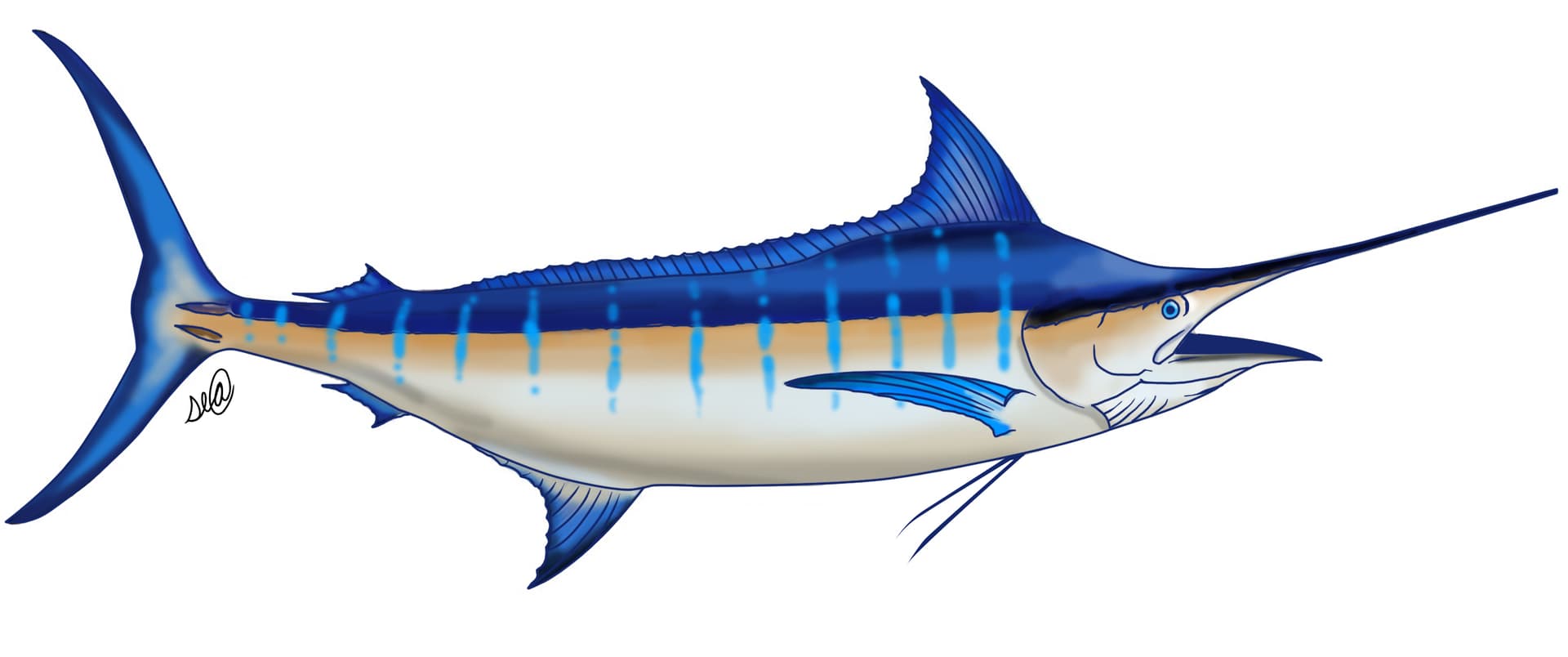
Records sourced from the IGFA Game Fish Database
Blue Marlin Tournaments
About Blue Marlin Tournaments
Blue marlin tournaments represent the highest stakes in competitive fishing. Events like the Big Rock Blue Marlin Tournament and the Mid-Atlantic $500K offer prize purses exceeding $1 million, attracting the most skilled offshore teams in the sport. These multi-day events test every aspect of a team's ability: boat handling, angling skill, and the patience to wait for a single bite that could change everything.
Why Compete
The allure of blue marlin tournaments lies in the combination of massive prize money and the challenge of targeting the ocean's most powerful gamefish. A single fish can win a tournament, making every moment on the water filled with anticipation. The camaraderie among teams, the tradition of these storied events, and the chance at a life-changing payout make blue marlin tournaments unlike anything else in fishing.
What to Expect
Blue marlin tournaments typically run 3-5 days with strict check-in and weigh-in schedules. Teams troll with large artificial lures or rigged natural baits across known blue water grounds. Weight minimums (usually 400-500 lbs for blue marlin) determine whether a fish qualifies for weigh-in. Release divisions have become increasingly popular, rewarding conservation alongside competition.
Tournament Formats
- Big Game Tournaments
- Release Tournaments
- Heaviest Fish
- Multi-Species Billfish
- Team & Individual
Popular Locations
- Outer Banks, NC
- Ocean City, MD
- Orange Beach, AL
- Venice, LA
- Kona, HI
- Bermuda
- Cabo San Lucas
Blue marlin season varies by region. The mid-Atlantic sees peak activity from June through September, while the Gulf Coast heats up from May through October. Hawaii offers year-round opportunities.
Gear & Tackle Tips
Blue marlin require heavy tackle: 50-130 lb class rods and reels with 400+ yards of line capacity. Lure spreads typically include large Kona-style pushers, plungers, and jet heads in the 10-14" range. Rigged ballyhoo, mullet, and other natural baits are also effective. Fighting chairs, quality harnesses, and experienced crew are essential for landing fish that can fight for hours.
Federal Regulations
Source: NOAA HMS Recreational Compliance Guide (April 2025). Always verify current regulations before fishing at NOAA Fisheries HMS Compliance Guide.
99" LJFL (Lower Jaw Fork Length)
No limit (annual U.S. landings limit of 250 Atlantic blue marlin, white marlin, and roundscale spearfish combined)
Natural bait or natural/artificial combo: non-offset circle hooks required. Artificial bait only: J-hooks, offset circle hooks, or non-offset circle hooks permitted.
HMS Angling permit required.
Rod and reel only
All billfish landings must be reported to NMFS within 24 hours via hmspermits.noaa.gov or the HMS Catch Reporting App.
Billfish may be gutted at sea but must be landed whole with head, fins, and bill intact. NOAA strongly encourages live release of all billfish.
Federal regulations shown here apply to Atlantic HMS in U.S. federal waters. State and territorial regulations may be more restrictive. Always check your state's fishing regulations before heading out.
Explore Other Species
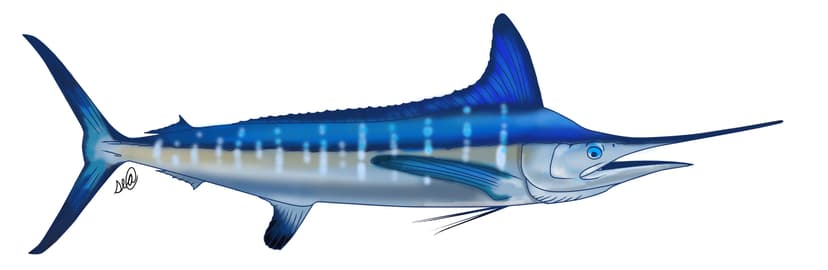
White Marlin Tournaments
A top-rated light tackle game fish, white marlin are distinguished by their rounded pectoral fins, lighter green coloring, and a first dorsal fin as high or higher than their greatest body depth.
Learn More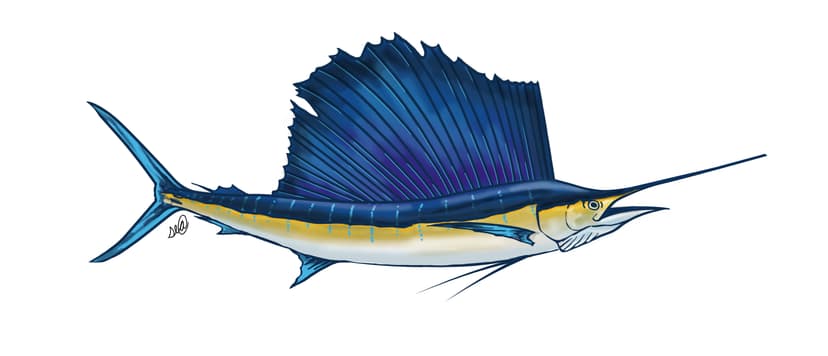
Sailfish Tournaments
Sailfish are renowned for their fighting ability and spectacular aerial acrobatics.
Learn More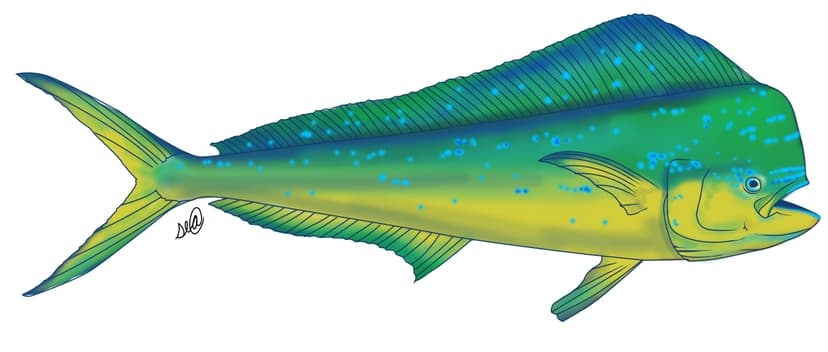
Mahi-Mahi Tournaments
Also known as dolphin or dorado, mahi-mahi display rich iridescent blue-green backs with gold flanks and silvery bellies.
Learn More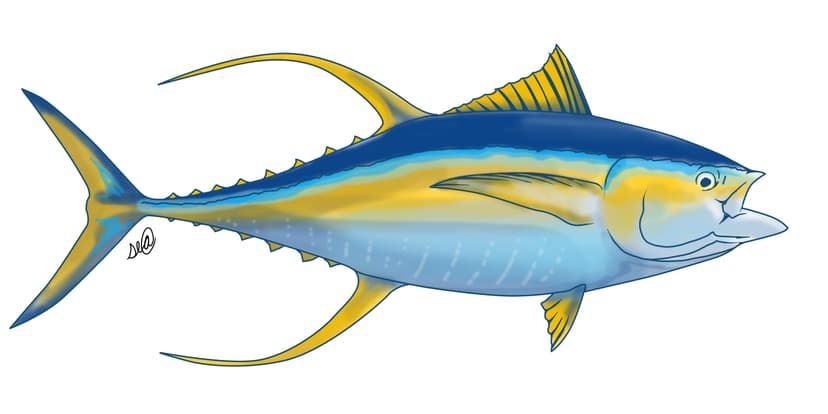
Yellowfin Tuna Tournaments
Supreme in size, strength, and speed, tuna are among the most important game and commercial fish worldwide.
Learn More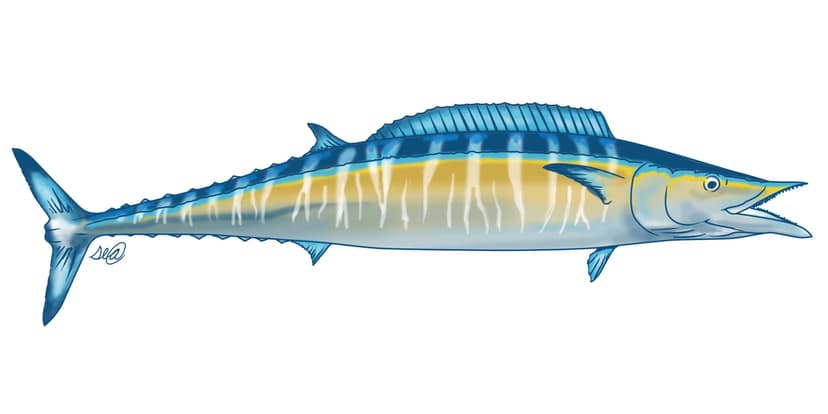
Wahoo Tournaments
One of the fastest fish in the sea, wahoo display brilliant deep blue backs with bright blue vertical "tiger stripes" flowing down silvery sides.
Learn More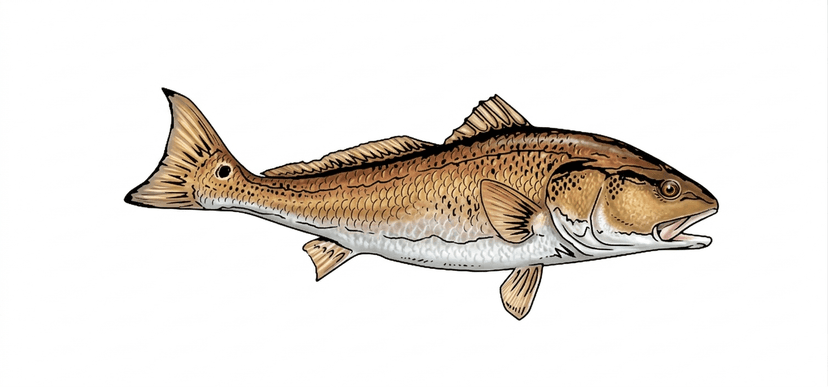
Redfish Tournaments
Also known as red drum, channel bass, or spot tail bass, redfish display coppery red overtones on a silvery gray body with a distinctive black spot near the tail.
Learn More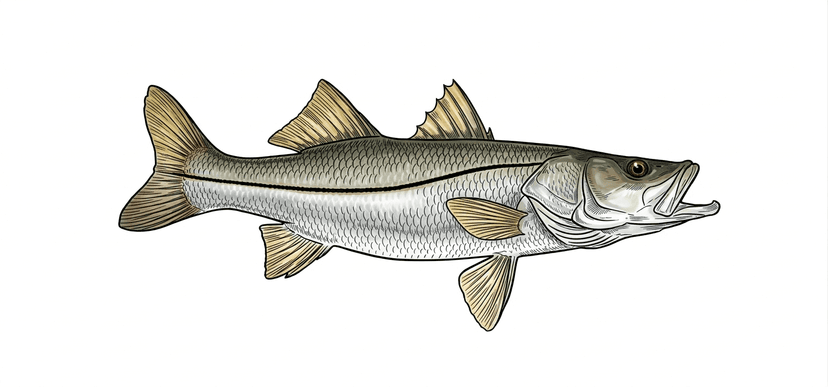
Snook Tournaments
Distinguished by a prominent black lateral line running from gill cover through the tail, snook have a protruding lower jaw and pike-like profile.
Learn More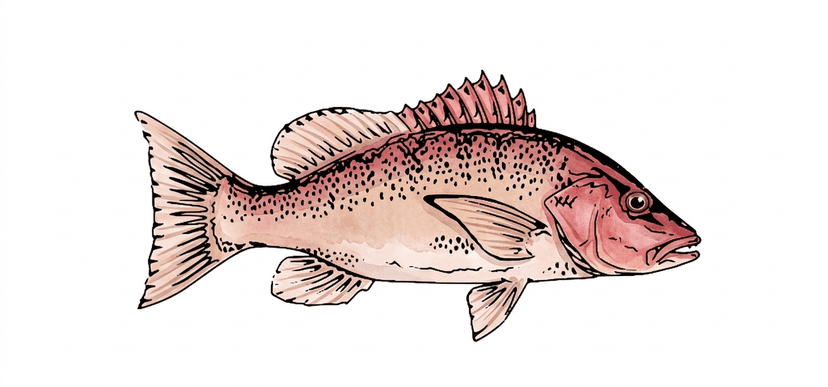
Mangrove Snapper Tournaments
Also known as gray snapper, mangrove snapper are one of the most common and widely distributed snappers in the western Atlantic.
Learn More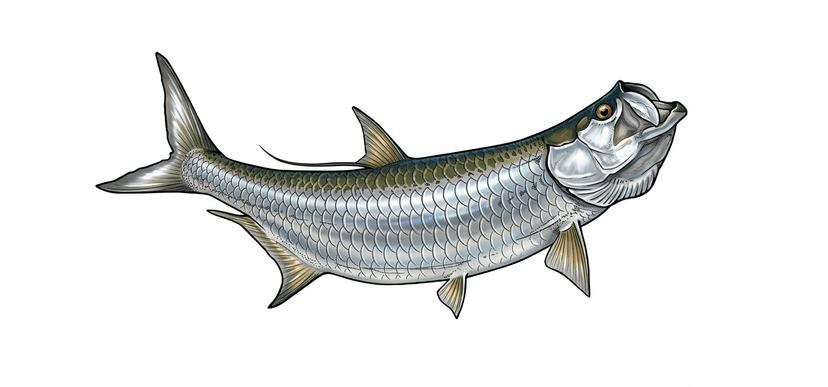
Tarpon Tournaments
Known as the Silver King, tarpon have compressed bodies with exceptionally large scales and brilliant silver sides.
Learn MoreRun Your Blue Marlin Tournament with Reel Time
Live leaderboards, online registration, mobile apps, and everything you need to run a professional fishing tournament.