SnookTournaments
The linesider. Snook are one of the most prized inshore gamefish, famous for their explosive strikes and drag-peeling runs around structure.
Centropomus undecimalis
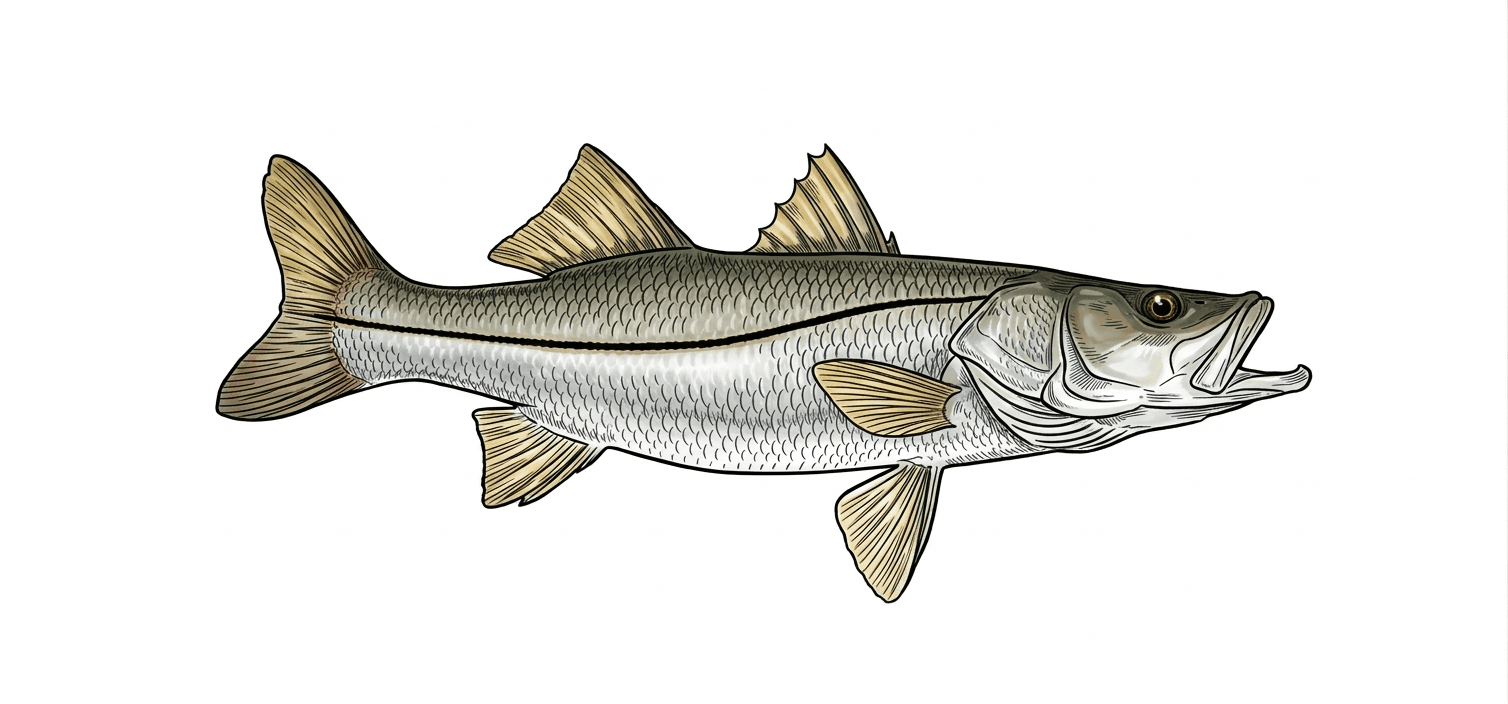
Records sourced from the IGFA Game Fish Database
Snook Tournaments
About Snook Tournaments
Snook tournaments are a staple of Florida's competitive inshore fishing scene. These powerful ambush predators patrol mangrove shorelines, bridge pilings, inlet jetties, and beach troughs, delivering explosive topwater strikes and powerful runs into structure. Tournament anglers must combine stealth, precision casting, and knowledge of tidal movements to consistently put snook on the measuring board.
Why Compete
Snook tournaments reward skill over equipment. Reading the tide, making accurate casts to tight structure, and knowing when to apply pressure on a fish running for cover are what separate winners from the field. Most events are catch-and-release with slot limits, keeping the focus on conservation. The Florida snook tournament trail runs year-round, and events are accessible to anglers fishing from skiffs, kayaks, or even on foot wading the flats and beaches.
What to Expect
Tournaments typically run during changing tides when snook are most active. Anglers target structure: mangrove roots, docks, bridge pilings, seawalls, and inlet rocks. Night fishing from bridges and inlets is a proven technique during summer. Expect strict slot limits (typically 28-33 inches on the Atlantic coast) and live-release requirements. Both live bait and artificial formats are common, with artificial-only events being especially popular.
Tournament Formats
- Catch & Release
- Slot Limits
- Artificial Only
- Fly Fishing
- Kayak Divisions
- Team Formats
Popular Locations
- Tampa Bay, FL
- Everglades, FL
- Fort Myers, FL
- Stuart, FL
- Boca Grande, FL
- Mosquito Lagoon, FL
Snook are temperature-sensitive and cannot survive waters below 60°F. Peak fishing runs from May through September in Florida, with the summer spawn bringing big females to beaches, inlets, and passes. Winter fishing focuses on warm-water refuges and deeper channels.
Gear & Tackle Tips
Medium to medium-heavy spinning or baitcasting outfits with 15-30 lb braided line and 30-40 lb fluorocarbon leaders are standard. Snook have sharp gill plates that cut light leaders. Top artificial baits include soft plastic jerkbaits, topwater plugs, and swimbaits. Live pilchards, pinfish, mullet, and shrimp are the go-to live baits. For fly anglers, 8-10 weight rods with baitfish patterns and Deceiver-style flies are effective.
Regulations notice: Snook fishing regulations vary by state and region. Size limits, bag limits, seasons, and gear restrictions differ between jurisdictions. Always check your state's current fishing regulations before heading out.
Explore Other Species
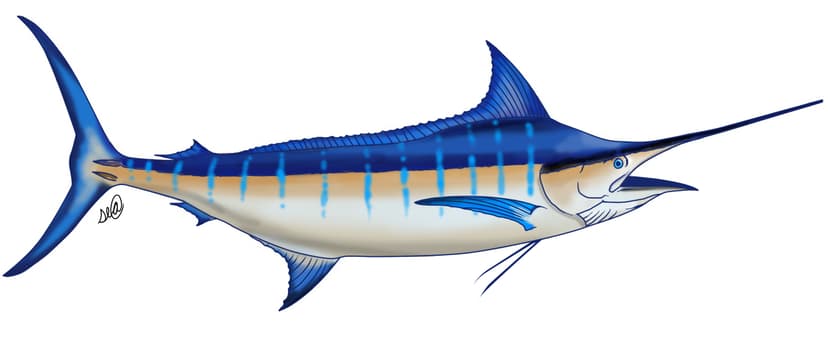
Blue Marlin Tournaments
Blue marlin are powerful, aggressive fighters that run hard, dive deep, and perform spectacular aerial displays.
Learn More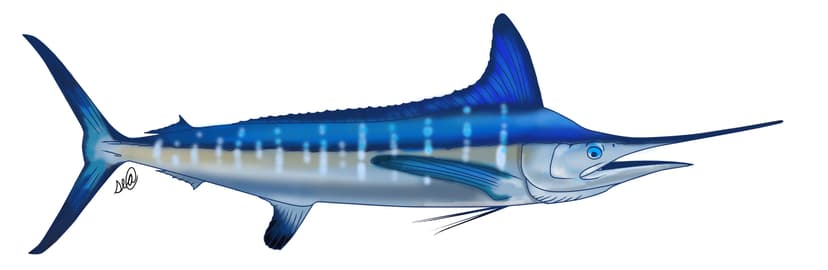
White Marlin Tournaments
A top-rated light tackle game fish, white marlin are distinguished by their rounded pectoral fins, lighter green coloring, and a first dorsal fin as high or higher than their greatest body depth.
Learn More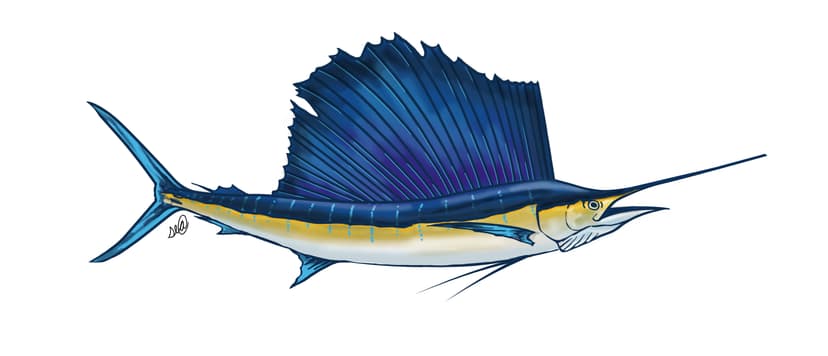
Sailfish Tournaments
Sailfish are renowned for their fighting ability and spectacular aerial acrobatics.
Learn More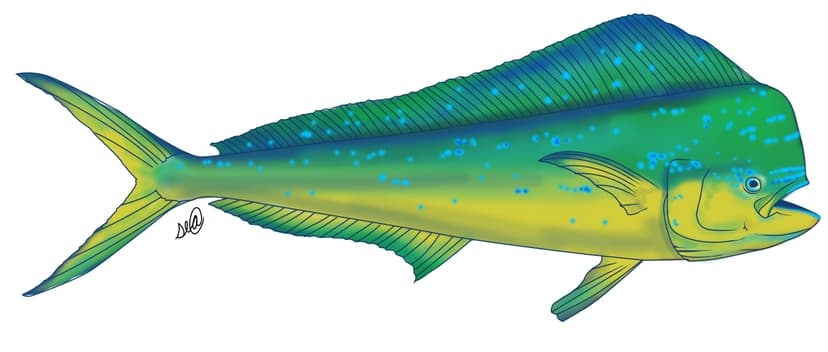
Mahi-Mahi Tournaments
Also known as dolphin or dorado, mahi-mahi display rich iridescent blue-green backs with gold flanks and silvery bellies.
Learn More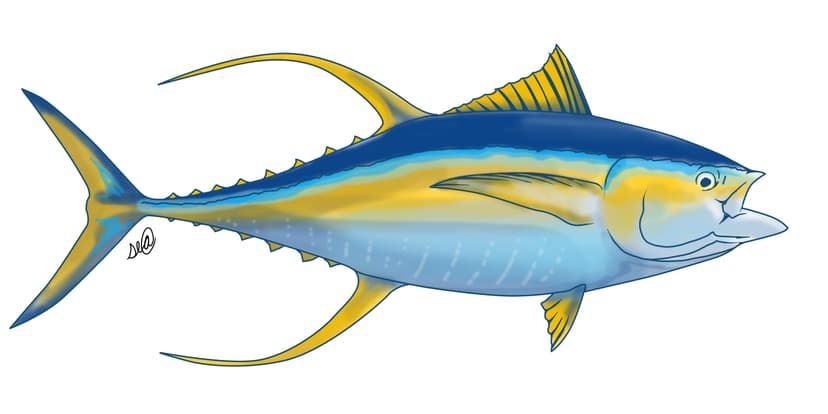
Yellowfin Tuna Tournaments
Supreme in size, strength, and speed, tuna are among the most important game and commercial fish worldwide.
Learn More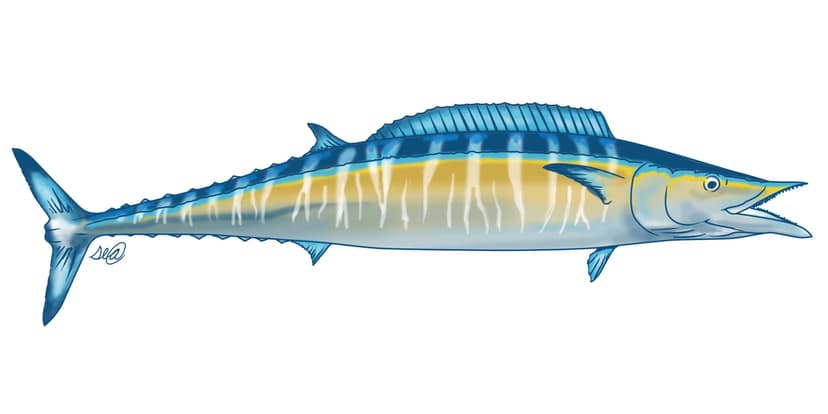
Wahoo Tournaments
One of the fastest fish in the sea, wahoo display brilliant deep blue backs with bright blue vertical "tiger stripes" flowing down silvery sides.
Learn More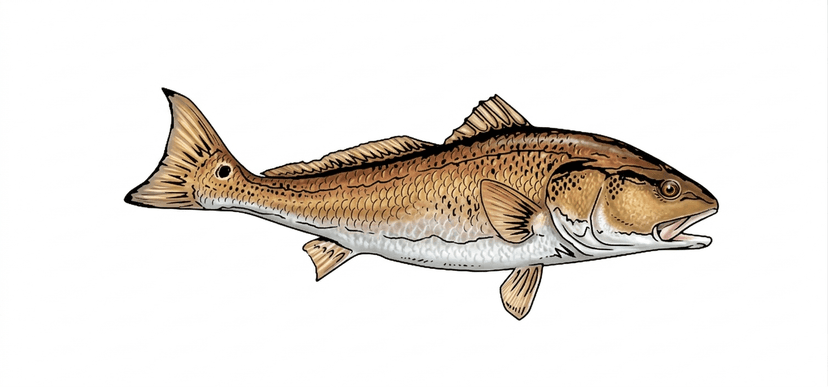
Redfish Tournaments
Also known as red drum, channel bass, or spot tail bass, redfish display coppery red overtones on a silvery gray body with a distinctive black spot near the tail.
Learn More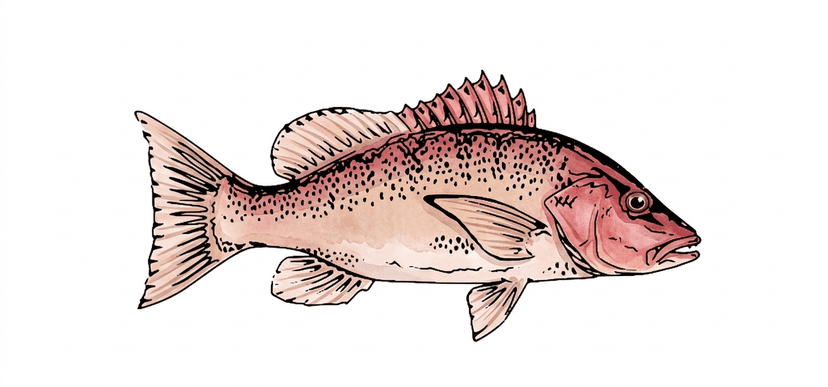
Mangrove Snapper Tournaments
Also known as gray snapper, mangrove snapper are one of the most common and widely distributed snappers in the western Atlantic.
Learn More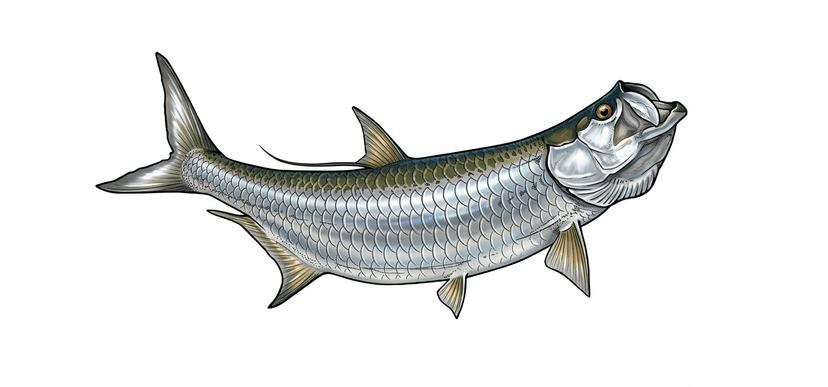
Tarpon Tournaments
Known as the Silver King, tarpon have compressed bodies with exceptionally large scales and brilliant silver sides.
Learn MoreRun Your Snook Tournament with Reel Time
Live leaderboards, online registration, mobile apps, and everything you need to run a professional fishing tournament.