SnapperTournaments
Smart, structure-savvy, and notoriously line-shy. Mangrove snapper tournaments reward finesse and patience in the shallows.
Lutjanus griseus
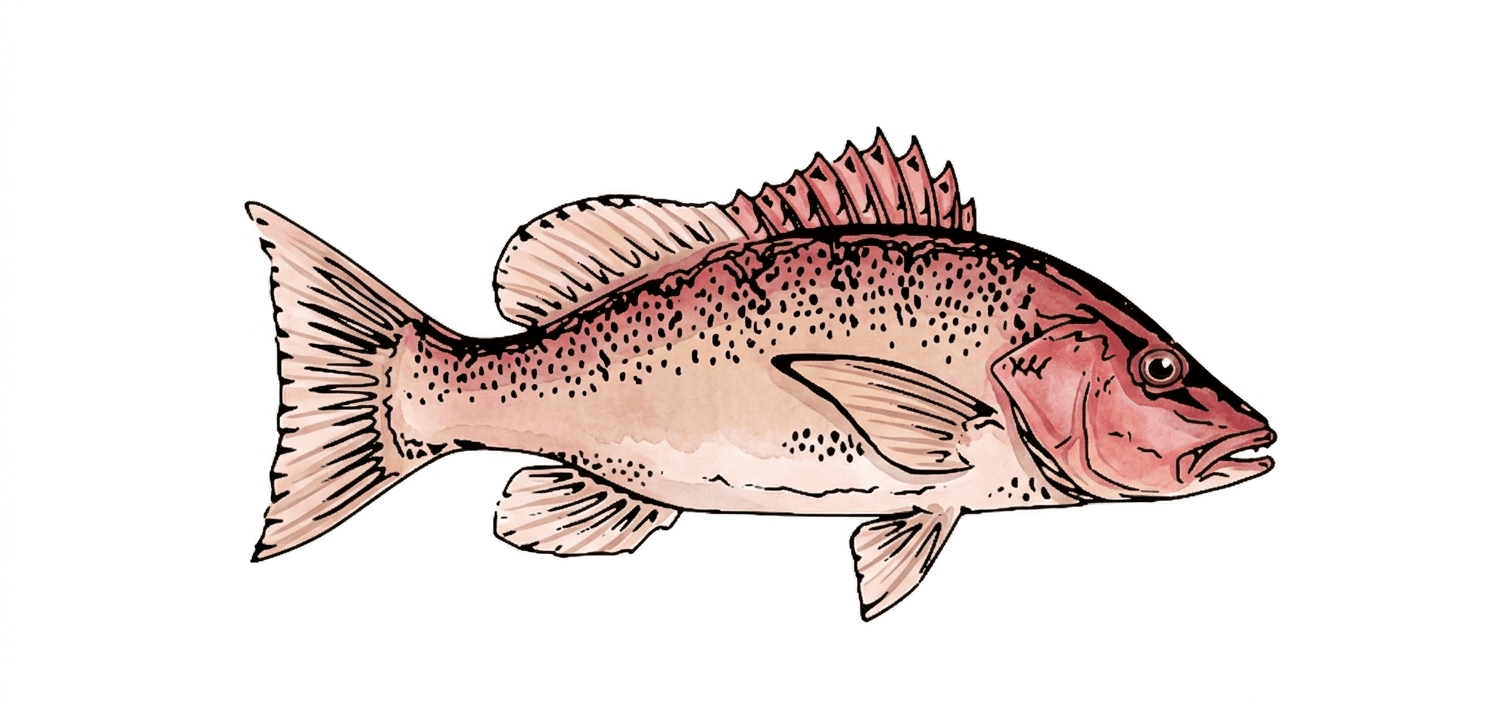
Records sourced from the IGFA Game Fish Database
Mangrove Snapper Tournaments
About Mangrove Snapper Tournaments
Snapper tournaments are a staple of inshore and nearshore competitive fishing throughout Florida and the Gulf Coast. Mangrove snapper are notoriously wary feeders that test an angler's ability to present light tackle and live bait around heavy structure without getting cut off. Tournaments targeting snapper reward patience, stealth, and intimate knowledge of local reefs, bridges, and mangrove shorelines where these fish hold in large numbers.
Why Compete
Snapper tournaments are extremely accessible. You can compete from a kayak, a small skiff, or a center console - no expensive offshore boat required. Mangrove snapper are abundant and widely distributed, so the competition comes down to skill rather than boat speed. Many events include multi-species formats where snapper are combined with other reef and inshore species, giving anglers multiple paths to the leaderboard. Entry fees tend to be affordable, making these events perfect for anglers looking to get into competitive fishing.
What to Expect
Most snapper tournaments focus on heaviest fish or aggregate weight. Anglers target bridges, docks, mangrove roots, channel markers, nearshore reefs, and wrecks. Night fishing is a common tactic during summer events when big snapper move into shallower water to feed. Chumming with cut bait to draw snapper out of structure is a key technique. Expect strict size limits (typically 10 inches minimum) and bag limits that match state regulations.
Tournament Formats
- Heaviest Fish
- Aggregate Weight
- Multi-Species Inshore
- Kayak Divisions
- Bottom Fishing Events
- Junior Divisions
Popular Locations
- Florida Keys, FL
- Tampa Bay, FL
- Biscayne Bay, FL
- Everglades, FL
- Fort Myers, FL
- Port Canaveral, FL
Mangrove snapper are available year-round in South Florida and Gulf waters, but the summer spawn from June through September concentrates big fish on nearshore reefs, wrecks, and inshore structure. Night fishing during the spawn is especially productive.
Gear & Tackle Tips
Light spinning tackle in the 10-20 lb class with fluorocarbon leaders (20-30 lb) is standard. Mangrove snapper are extremely line-shy, so lighter leaders produce more bites. Live shrimp, pilchards, pinfish, and small crabs are top baits. For artificial anglers, small jigs tipped with shrimp or cut bait work well. Chumming is critical - frozen chum blocks, cut sardines, or glass minnows create a feeding frenzy that pulls snapper away from cover. A quality pair of dehooking pliers and a live well are essentials for tournament day.
Regulations notice: Mangrove Snapper fishing regulations vary by state and region. Size limits, bag limits, seasons, and gear restrictions differ between jurisdictions. Always check your state's current fishing regulations before heading out.
Explore Other Species
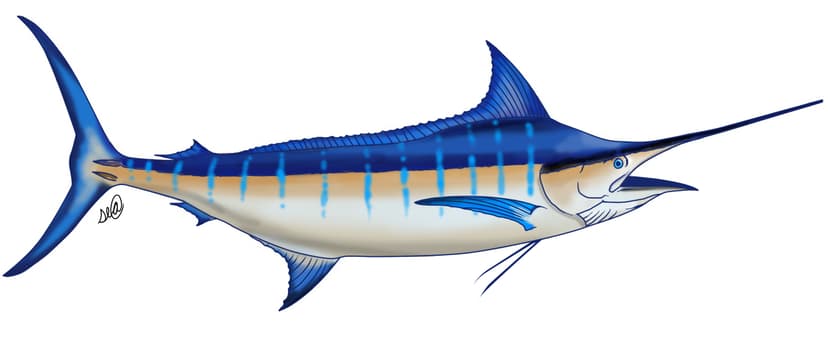
Blue Marlin Tournaments
Blue marlin are powerful, aggressive fighters that run hard, dive deep, and perform spectacular aerial displays.
Learn More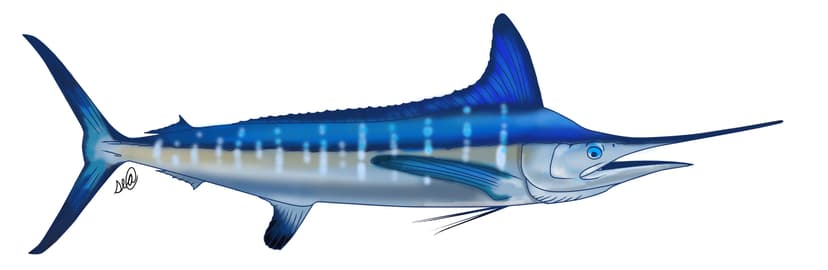
White Marlin Tournaments
A top-rated light tackle game fish, white marlin are distinguished by their rounded pectoral fins, lighter green coloring, and a first dorsal fin as high or higher than their greatest body depth.
Learn More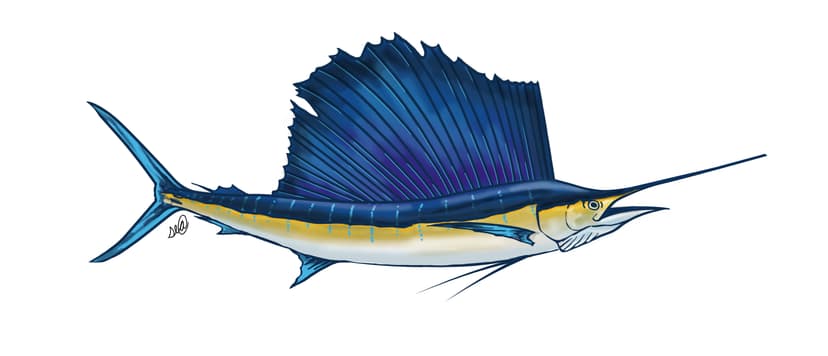
Sailfish Tournaments
Sailfish are renowned for their fighting ability and spectacular aerial acrobatics.
Learn More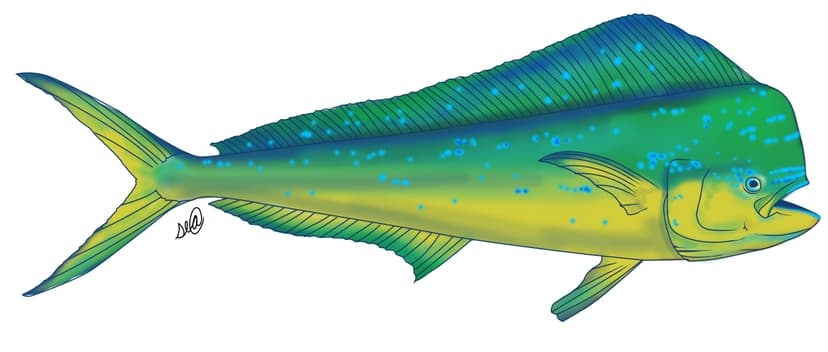
Mahi-Mahi Tournaments
Also known as dolphin or dorado, mahi-mahi display rich iridescent blue-green backs with gold flanks and silvery bellies.
Learn More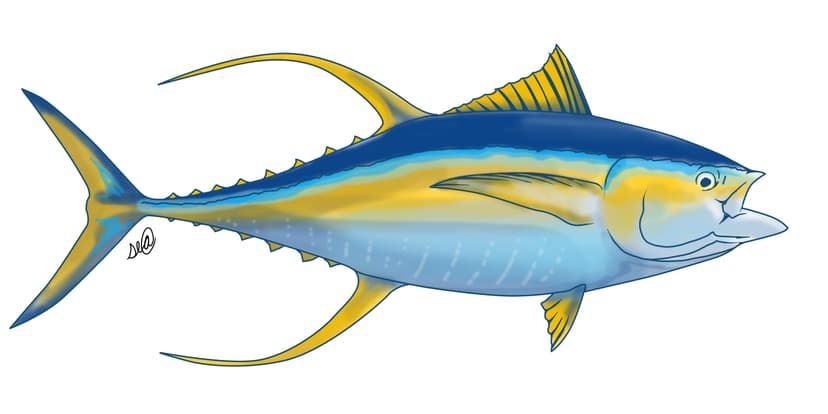
Yellowfin Tuna Tournaments
Supreme in size, strength, and speed, tuna are among the most important game and commercial fish worldwide.
Learn More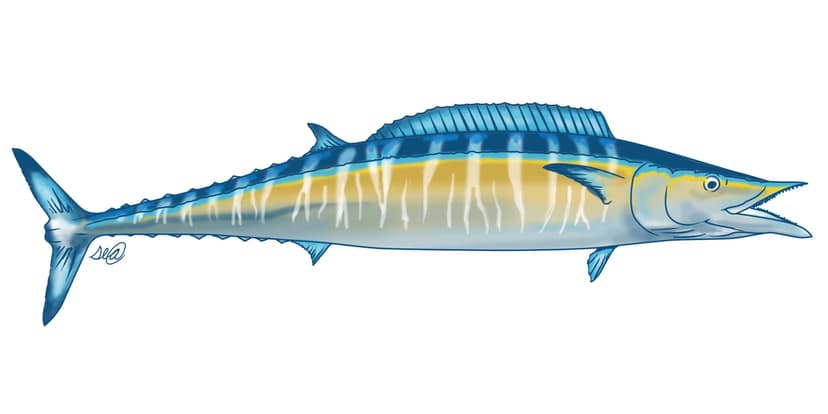
Wahoo Tournaments
One of the fastest fish in the sea, wahoo display brilliant deep blue backs with bright blue vertical "tiger stripes" flowing down silvery sides.
Learn More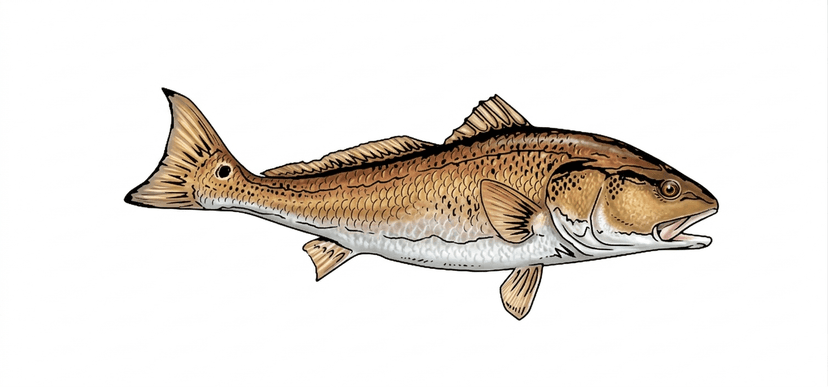
Redfish Tournaments
Also known as red drum, channel bass, or spot tail bass, redfish display coppery red overtones on a silvery gray body with a distinctive black spot near the tail.
Learn More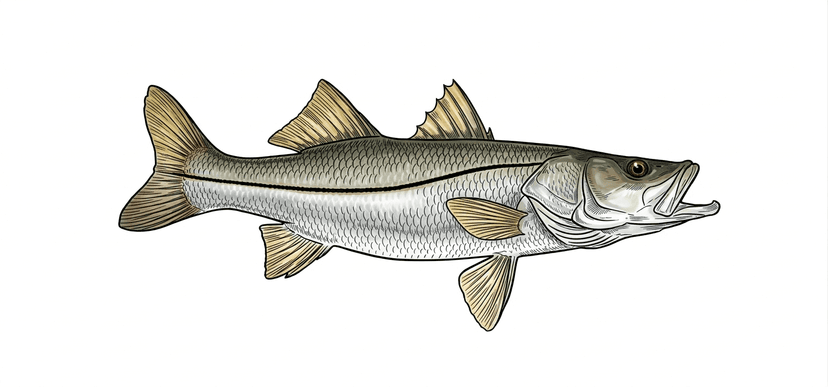
Snook Tournaments
Distinguished by a prominent black lateral line running from gill cover through the tail, snook have a protruding lower jaw and pike-like profile.
Learn More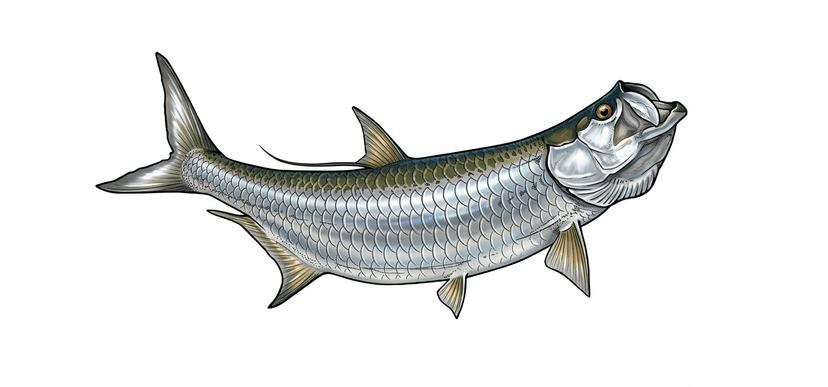
Tarpon Tournaments
Known as the Silver King, tarpon have compressed bodies with exceptionally large scales and brilliant silver sides.
Learn MoreRun Your Mangrove Snapper Tournament with Reel Time
Live leaderboards, online registration, mobile apps, and everything you need to run a professional fishing tournament.