TarponTournaments
The Silver King. Tarpon deliver one of the most spectacular fights in fishing, leaping up to 10 feet out of the water.
Megalops atlanticus
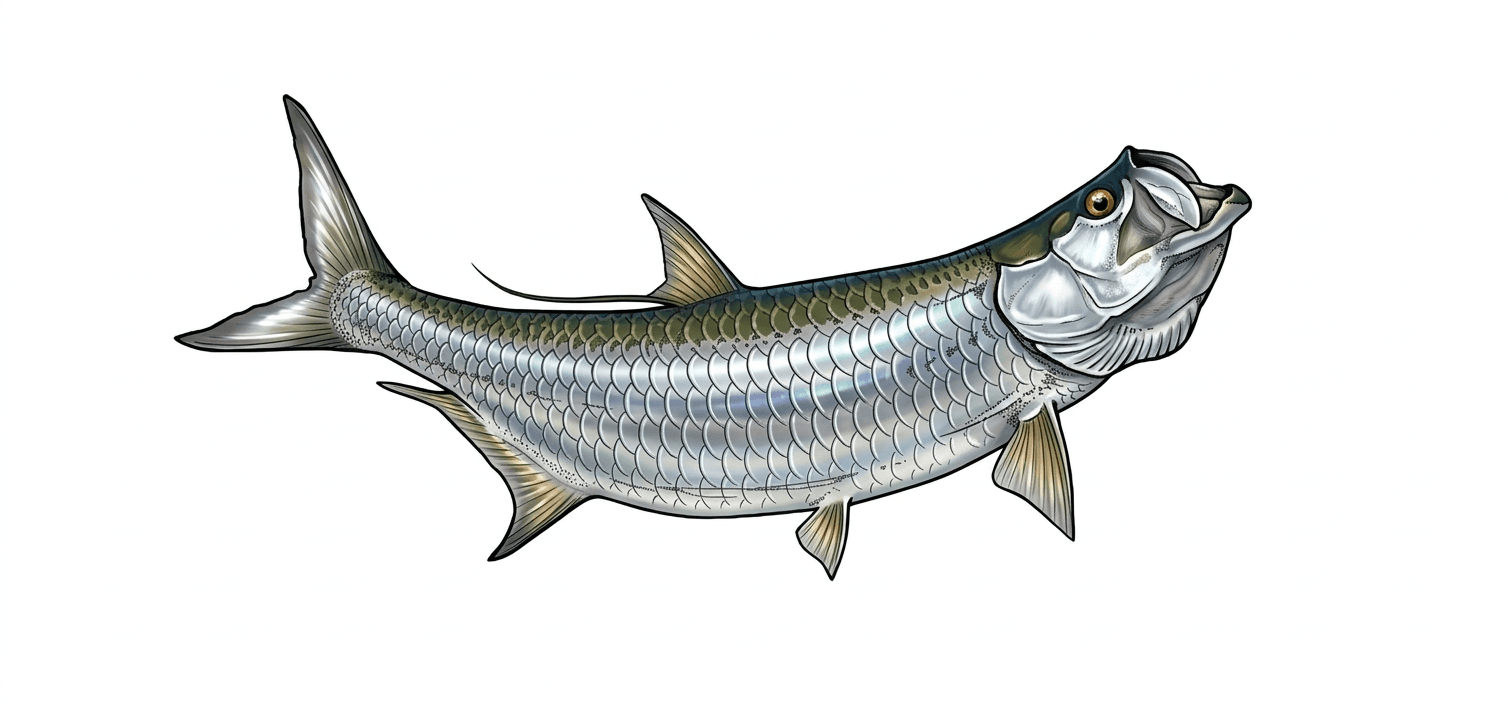
Records sourced from the IGFA Game Fish Database
Tarpon Tournaments
About Tarpon Tournaments
Tarpon tournaments are among the most tradition-rich events in sportfishing. The Silver King's spectacular aerial displays and stubborn, powerful fights make every hookup an unforgettable experience. These catch-and-release events celebrate the tarpon's status as a premier gamefish, drawing anglers to Florida's passes, bridges, and flats each spring and summer for a chance at fish exceeding 200 pounds.
Why Compete
Tarpon fishing is as much about skill and patience as it is about strength. Reading the tide, presenting a bait naturally, and executing a proper hookset into their hard, bony mouths separates successful anglers from the rest. Tournaments reward consistency and fish-handling skill, with many events scored on releases, biggest fish estimates, or total releases over multiple days. The tight-knit tarpon fishing community adds a special camaraderie to these events.
What to Expect
Tournaments typically focus on specific fisheries like Boca Grande Pass, the beaches of the Keys, or the backcountry bridges and channels. Anglers still-fish with live mullet, pinfish, crabs, or shrimp, or cast and sight-fish with artificial lures and flies. Night fishing can be exceptionally productive. Expect strict catch-and-release rules with an emphasis on quick, healthy releases. Tarpon grow slowly and don't reach maturity until about 4 feet and 6-7 years old, making conservation essential.
Tournament Formats
- Catch & Release
- Tag & Release
- Fly Fishing
- Live Bait
- Team Formats
- Guide Divisions
Popular Locations
- Boca Grande, FL
- Islamorada, FL
- Key West, FL
- Homosassa, FL
- Port Aransas, TX
- Costa Rica
Tarpon migrate along the Florida coast from April through July, with Boca Grande Pass being the epicenter of giant tarpon fishing during the spring migration. The Florida Keys offer year-round juveniles with big fish arriving in late spring.
Gear & Tackle Tips
Heavy spinning or conventional outfits in the 30-60 lb class are standard for live bait fishing. For fly anglers, 12-weight rods with large arbor reels and quality drag systems are the norm. Circle hooks are increasingly required for live bait to improve release survival. Strong leaders (60-100 lb fluorocarbon) are necessary to withstand their abrasive mouths. When a tarpon jumps, "bowing" to the fish by lowering the rod tip prevents the hook from pulling free.
Regulations notice: Tarpon fishing regulations vary by state and region. Size limits, bag limits, seasons, and gear restrictions differ between jurisdictions. Always check your state's current fishing regulations before heading out.
Explore Other Species
Blue Marlin Tournaments
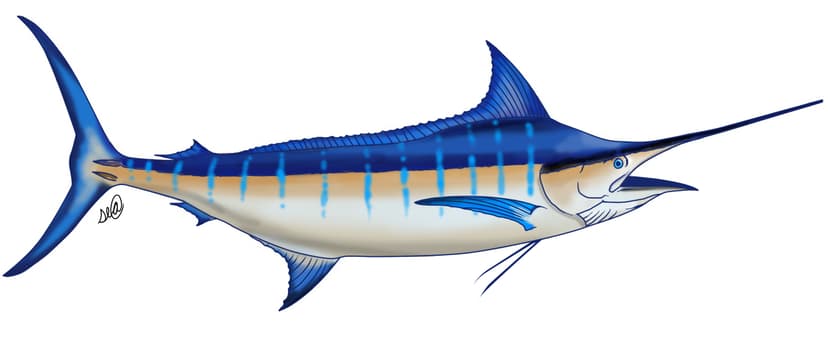
Blue marlin are powerful, aggressive fighters that run hard, dive deep, and perform spectacular aerial displays.
Learn More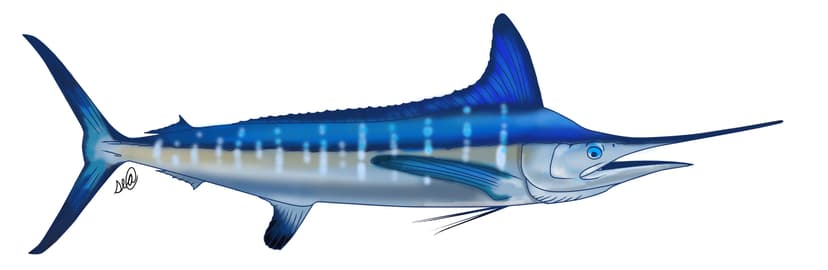
White Marlin Tournaments
A top-rated light tackle game fish, white marlin are distinguished by their rounded pectoral fins, lighter green coloring, and a first dorsal fin as high or higher than their greatest body depth.
Learn More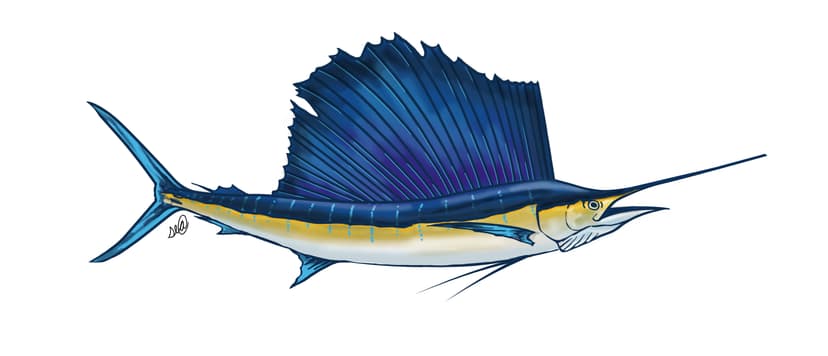
Sailfish Tournaments
Sailfish are renowned for their fighting ability and spectacular aerial acrobatics.
Learn More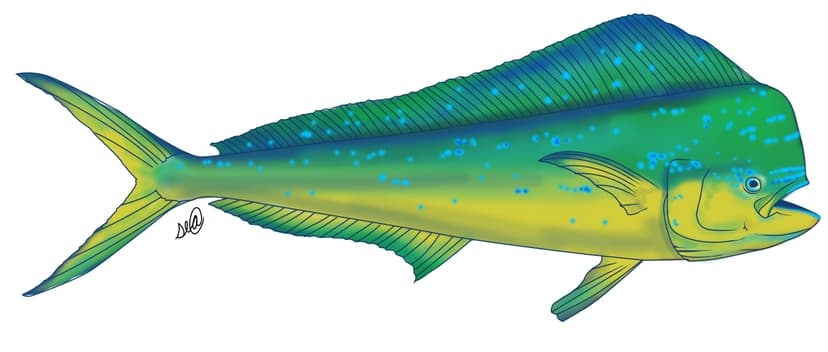
Mahi-Mahi Tournaments
Also known as dolphin or dorado, mahi-mahi display rich iridescent blue-green backs with gold flanks and silvery bellies.
Learn More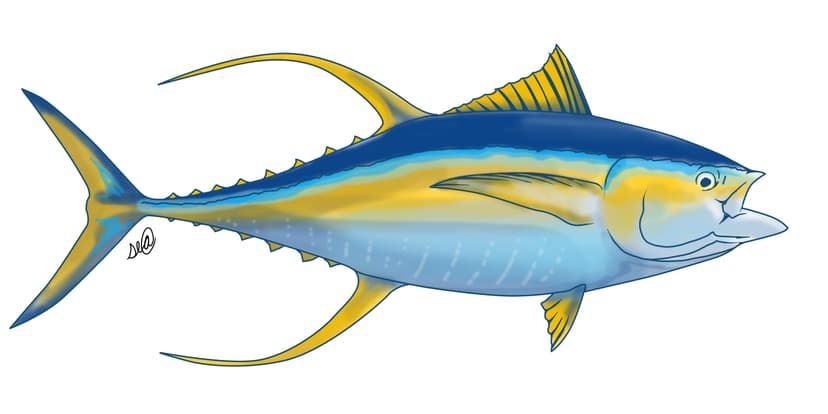
Yellowfin Tuna Tournaments
Supreme in size, strength, and speed, tuna are among the most important game and commercial fish worldwide.
Learn More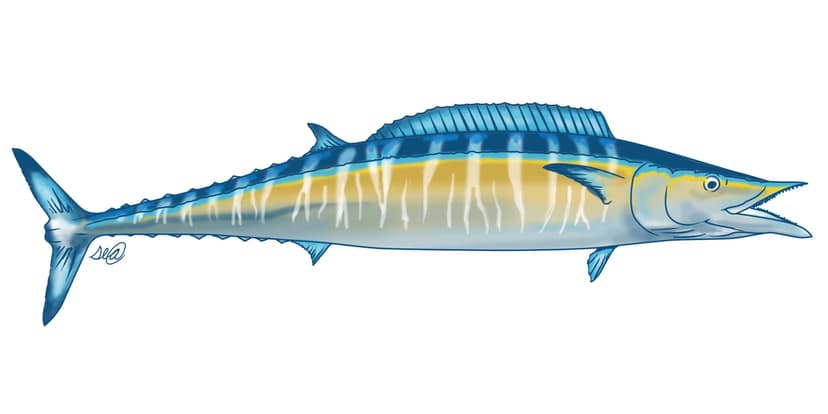
Wahoo Tournaments
One of the fastest fish in the sea, wahoo display brilliant deep blue backs with bright blue vertical "tiger stripes" flowing down silvery sides.
Learn More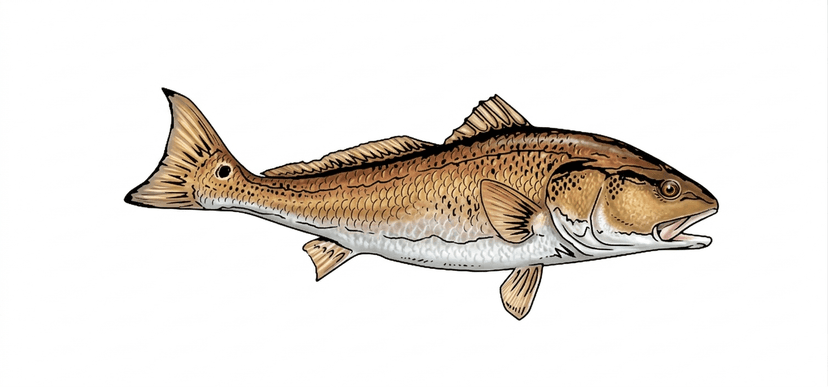
Redfish Tournaments
Also known as red drum, channel bass, or spot tail bass, redfish display coppery red overtones on a silvery gray body with a distinctive black spot near the tail.
Learn More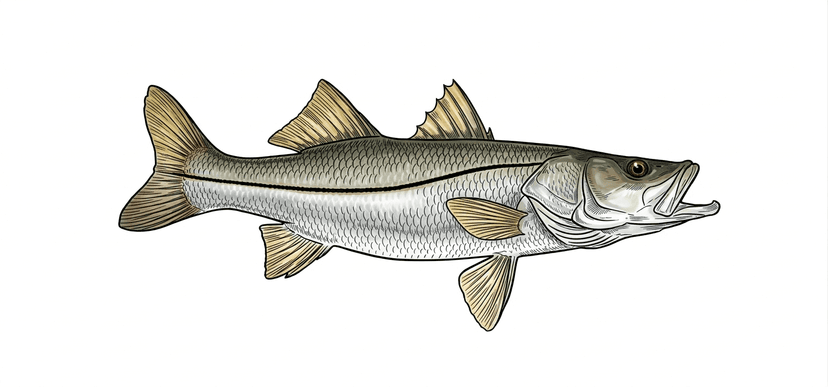
Snook Tournaments
Distinguished by a prominent black lateral line running from gill cover through the tail, snook have a protruding lower jaw and pike-like profile.
Learn More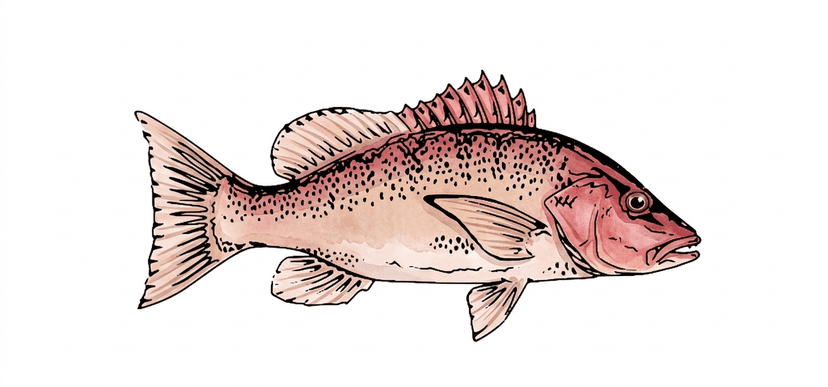
Mangrove Snapper Tournaments
Also known as gray snapper, mangrove snapper are one of the most common and widely distributed snappers in the western Atlantic.
Learn MoreRun Your Tarpon Tournament with Reel Time
Live leaderboards, online registration, mobile apps, and everything you need to run a professional fishing tournament.