Yellowfin TunaTournaments
Raw power meets endurance. Tuna tournaments test anglers against some of the strongest fish in the ocean.
Thunnus albacares
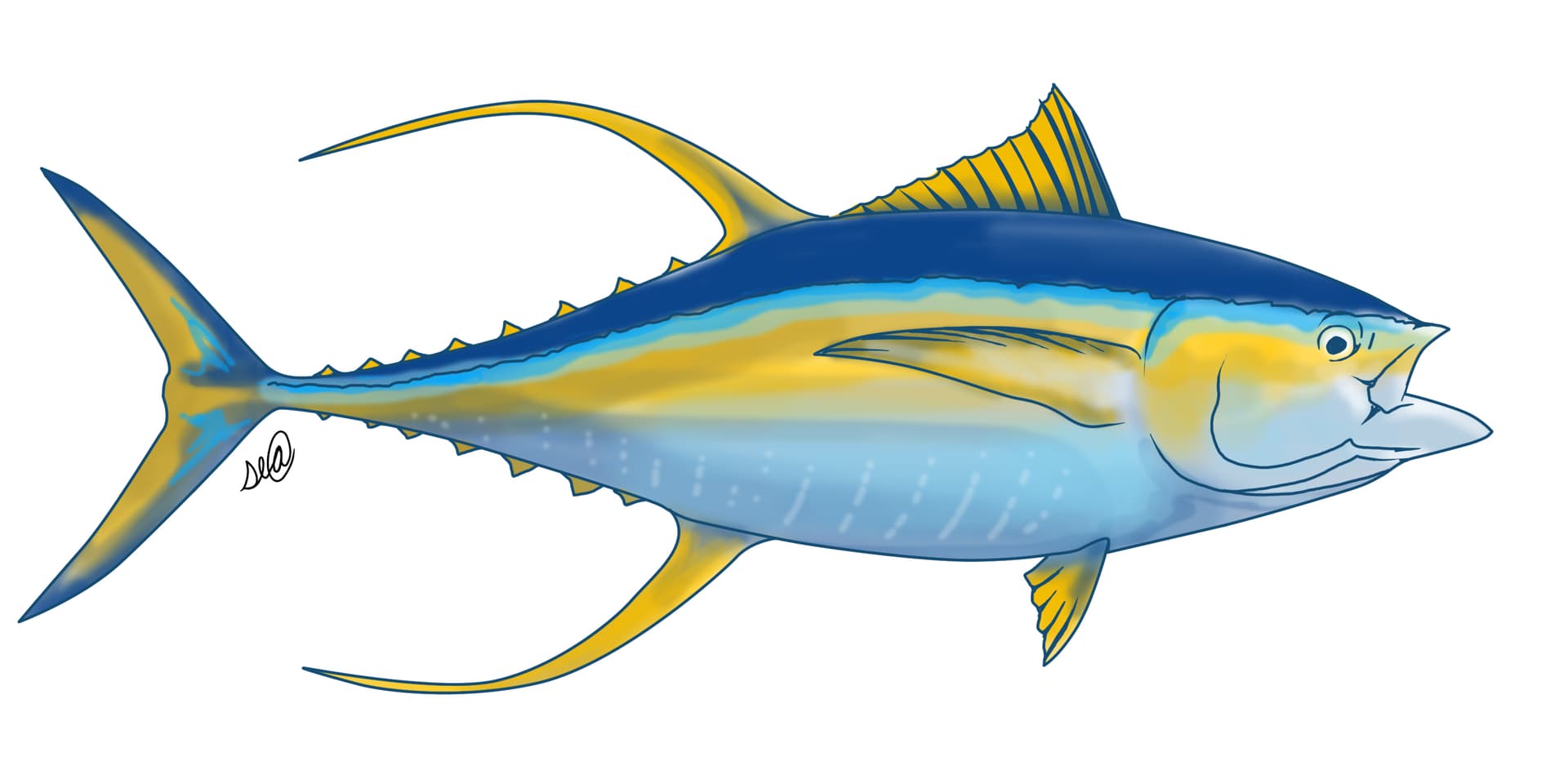
Records sourced from the IGFA Game Fish Database
Yellowfin Tuna Tournaments
About Yellowfin Tuna Tournaments
Tuna tournaments span the full spectrum of competitive fishing, from yellowfin slugfests in the Gulf of Mexico to giant bluefin battles off New England. These events reward preparation, technique, and pure determination as anglers go toe-to-toe with fish that can strip hundreds of yards of line in seconds. Whether targeting schoolie yellowfin or 800-pound giants, tuna tournaments deliver some of the most physically demanding and rewarding fishing in the sport.
Why Compete
Tuna tournaments attract serious anglers because the fish demand everything you've got. There's no shortcut to landing a big tuna - it takes quality tackle, proper technique, and physical endurance. Many events offer both recreational and professional divisions, making them accessible while still highly competitive. The commercial value of bluefin tuna adds another dimension, with some tournaments allowing participants to sell their catch.
What to Expect
Techniques vary by species and region. Yellowfin tournaments often involve chunking, jigging, or trolling around offshore structures and rigs. Bluefin events may focus on trolling, kite fishing, or green-stick gear depending on local regulations. Most tuna tournaments run 1-3 days with strict weigh-in times. Be prepared for long runs offshore and physically demanding fights.
Tournament Formats
- Heaviest Fish
- Aggregate Weight
- Species-Specific (Yellowfin, Bluefin, Bigeye)
- Multi-Species
- Small Boat Divisions
Popular Locations
- Gloucester, MA
- Outer Banks, NC
- Venice, LA
- San Diego, CA
- Prince Edward Island
- Montauk, NY
Tuna seasons vary by species and region. Yellowfin are available nearly year-round in the Gulf, while giant bluefin season in New England runs from June through November. Mid-Atlantic yellowfin and bigeye peak during summer canyon trips.
Gear & Tackle Tips
Tuna tackle ranges from 30 lb spinning outfits for school yellowfin to 130 lb stand-up gear for giant bluefin. Quality reels with smooth drags and high line capacity are essential. Fluorocarbon leaders, premium hooks, and fresh bait make the difference. For chunking, a steady supply of butterfish, herring, or sardines is critical. Fighting belts and harnesses are mandatory for the bigger fish.
Federal Regulations
Source: NOAA HMS Recreational Compliance Guide (April 2025). Always verify current regulations before fishing at NOAA Fisheries HMS Compliance Guide.
27" CFL (Curved Fork Length)
3 per person per day, no more than 3 yellowfin tuna per person may be on board a vessel
No specific hook type required for tunas when using rod and reel.
HMS Angling permit required. Atlantic Tunas General category permit also valid for recreational fishing in registered HMS tournaments.
Rod and reel, Handline, Bandit gear, Greenstick
All Atlantic tuna landings must be reported to NMFS within 24 hours.
All Atlantic tunas may be landed round with fins intact, or eviscerated with head removed, as long as the fish remains within the specified minimum size. At least one pectoral fin and the tail must remain attached through landing.
Federal regulations shown here apply to Atlantic HMS in U.S. federal waters. State and territorial regulations may be more restrictive. Always check your state's fishing regulations before heading out.
Explore Other Species
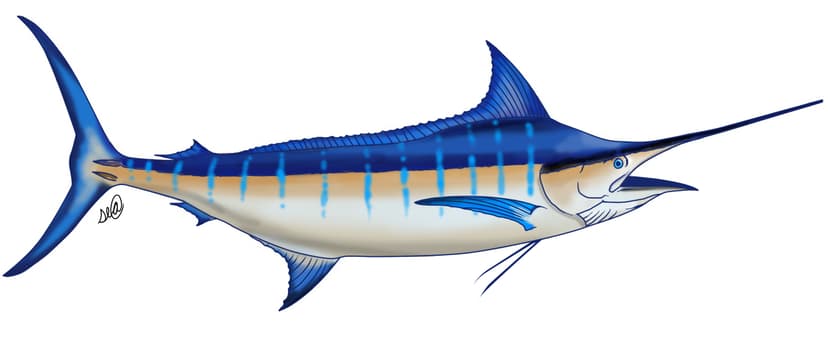
Blue Marlin Tournaments
Blue marlin are powerful, aggressive fighters that run hard, dive deep, and perform spectacular aerial displays.
Learn More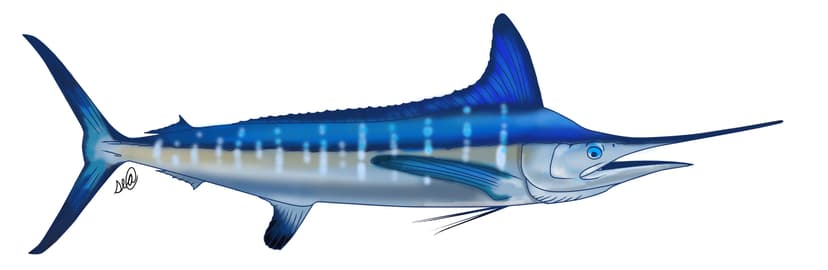
White Marlin Tournaments
A top-rated light tackle game fish, white marlin are distinguished by their rounded pectoral fins, lighter green coloring, and a first dorsal fin as high or higher than their greatest body depth.
Learn More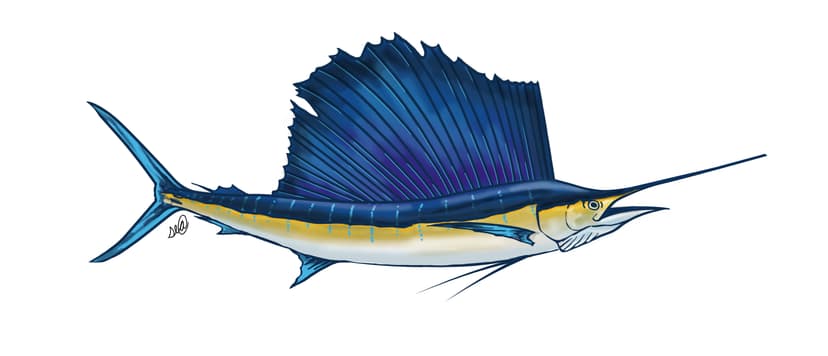
Sailfish Tournaments
Sailfish are renowned for their fighting ability and spectacular aerial acrobatics.
Learn More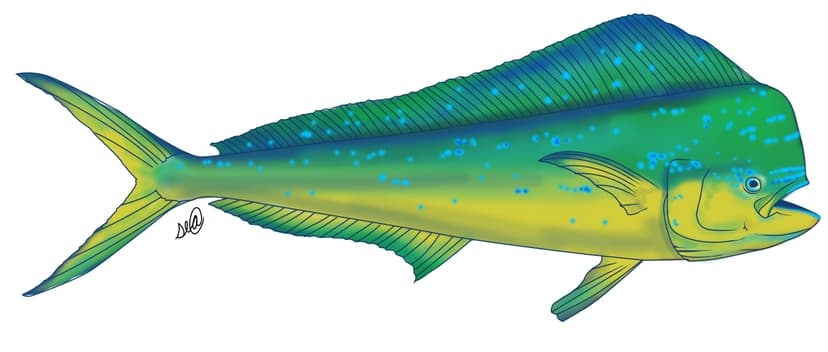
Mahi-Mahi Tournaments
Also known as dolphin or dorado, mahi-mahi display rich iridescent blue-green backs with gold flanks and silvery bellies.
Learn More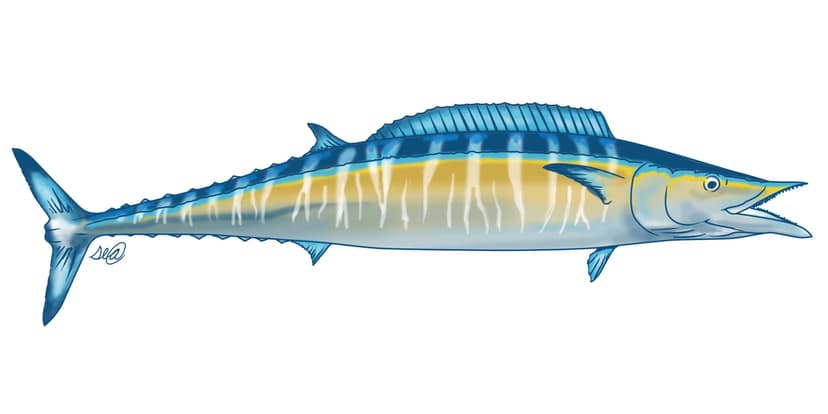
Wahoo Tournaments
One of the fastest fish in the sea, wahoo display brilliant deep blue backs with bright blue vertical "tiger stripes" flowing down silvery sides.
Learn More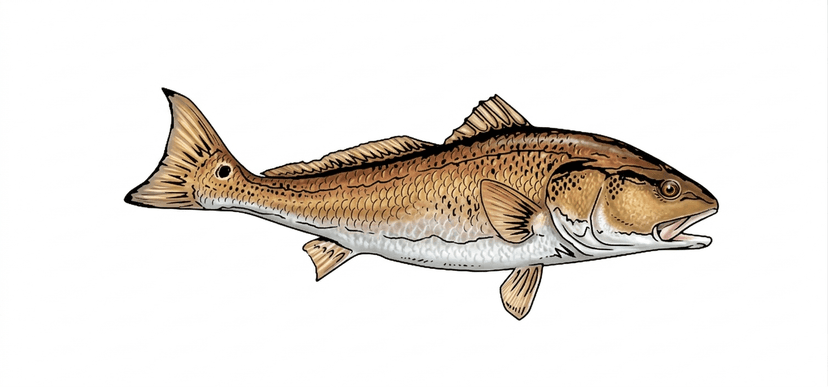
Redfish Tournaments
Also known as red drum, channel bass, or spot tail bass, redfish display coppery red overtones on a silvery gray body with a distinctive black spot near the tail.
Learn More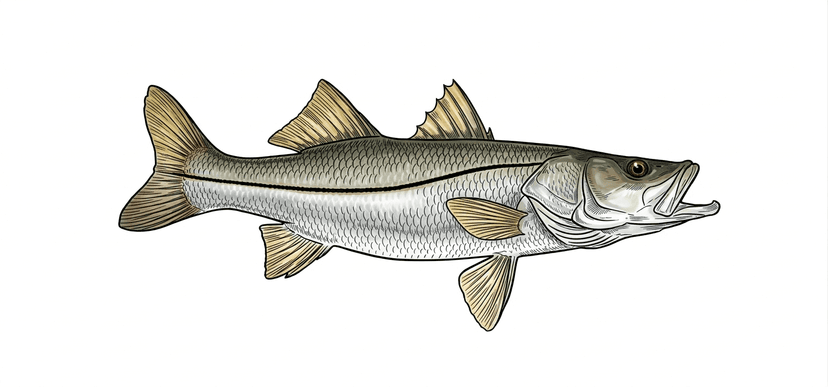
Snook Tournaments
Distinguished by a prominent black lateral line running from gill cover through the tail, snook have a protruding lower jaw and pike-like profile.
Learn More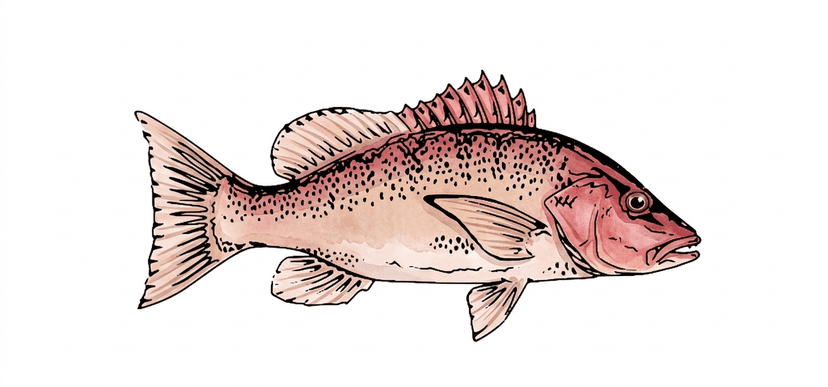
Mangrove Snapper Tournaments
Also known as gray snapper, mangrove snapper are one of the most common and widely distributed snappers in the western Atlantic.
Learn More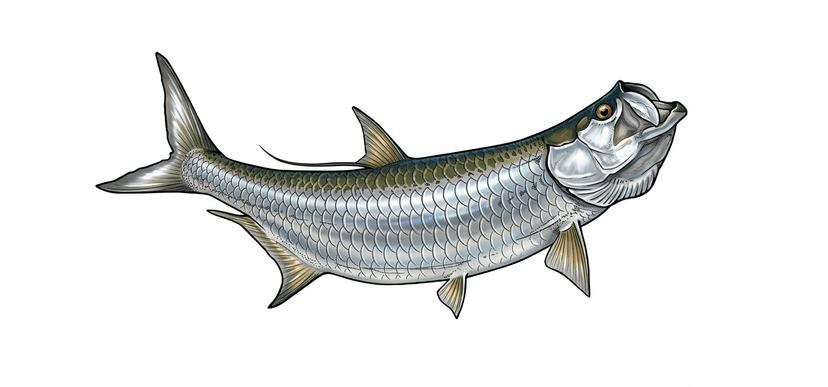
Tarpon Tournaments
Known as the Silver King, tarpon have compressed bodies with exceptionally large scales and brilliant silver sides.
Learn MoreRun Your Yellowfin Tuna Tournament with Reel Time
Live leaderboards, online registration, mobile apps, and everything you need to run a professional fishing tournament.