MahiTournaments
Iridescent colors, explosive speed, and an affinity for floating structure. Mahi tournaments deliver action-packed days on the water.
Coryphaena hippurus
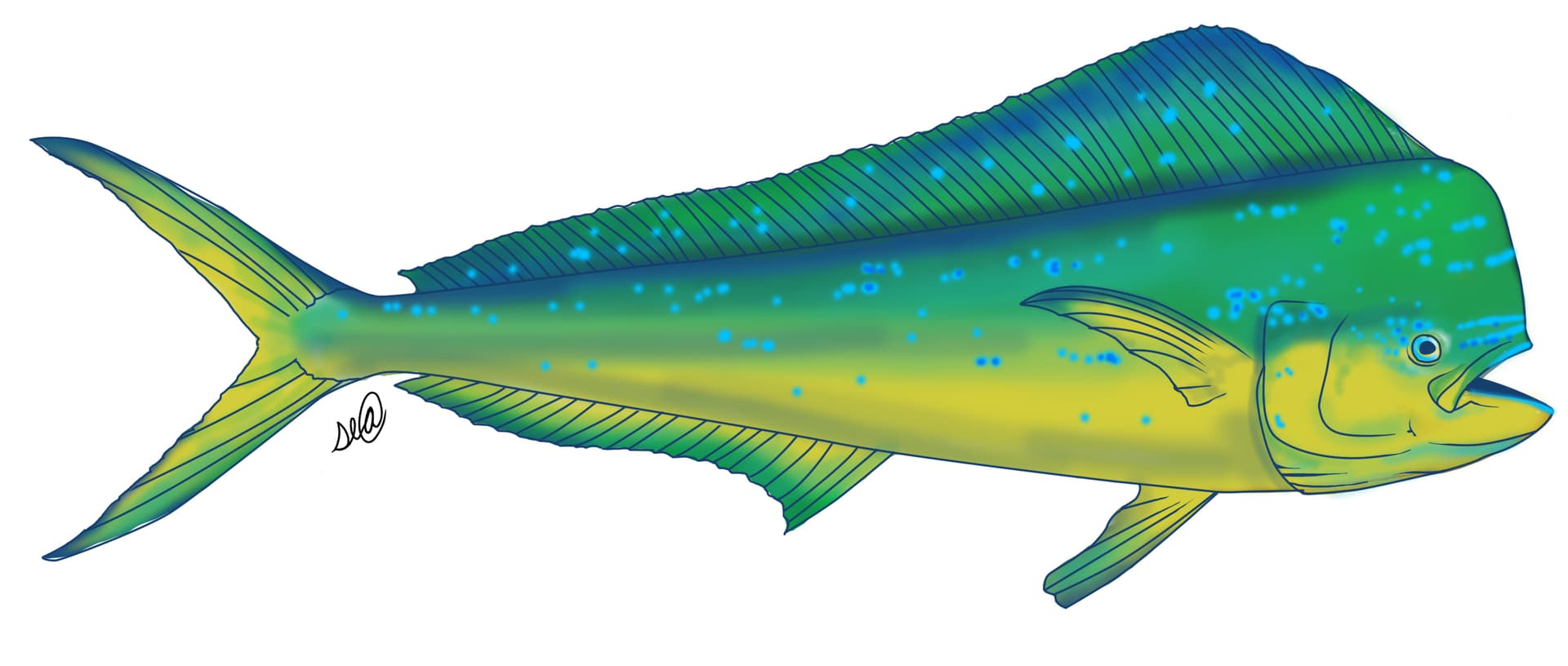
Records sourced from the IGFA Game Fish Database
Mahi-Mahi Tournaments
About Mahi-Mahi Tournaments
Mahi-mahi tournaments are some of the most accessible and exciting events in offshore fishing. Whether you're running a center console 10 miles offshore or fishing from a large sportfisher, mahi deliver consistent action that keeps anglers of all ages engaged. Tournaments typically focus on heaviest fish or aggregate weight formats, with some events including release divisions.
Why Compete
Mahi tournaments are the perfect entry point into competitive offshore fishing. Entry fees are often lower than billfish events, and the consistent action means you're rarely skunked. Many events include junior angler, ladies, and small boat divisions that level the playing field. The fast-paced nature of mahi fishing means fortunes can change in minutes, keeping every team in contention until lines out.
What to Expect
Tournament teams target mahi around floating debris, weed lines, and current edges. Trolling with skirted ballyhoo, feathers, or artificial lures is the most common technique, though chunking and live-baiting around structure can produce trophy fish. Expect to fish 5-30 miles offshore depending on water conditions and current patterns. Most events are single-day with morning start and afternoon weigh-in.
Tournament Formats
- Heaviest Fish
- Aggregate Weight
- Junior Divisions
- Ladies Divisions
- Small Boat Divisions
Popular Locations
- Palm Beach, FL
- Jupiter, FL
- Key West, FL
- Destin, FL
- Charleston, SC
- San Juan, PR
Mahi-mahi are available year-round in tropical waters, but peak season along the US East Coast runs from April through September as warm currents push north and weed lines form offshore.
Gear & Tackle Tips
Mahi fishing calls for medium-weight spinning and conventional tackle in the 20-30 lb class. Small skirted lures, ballyhoo rigs, and cedar plugs are standard trolling baits. When you find a school, switching to light spinning gear with small jigs or live bait can produce rapid-fire action. Keep a gaff and plenty of ice ready - when the bite is on, it's on.
Regulations notice: Mahi-Mahi fishing regulations vary by state and region. Size limits, bag limits, seasons, and gear restrictions differ between jurisdictions. Always check your state's current fishing regulations before heading out.
Explore Other Species
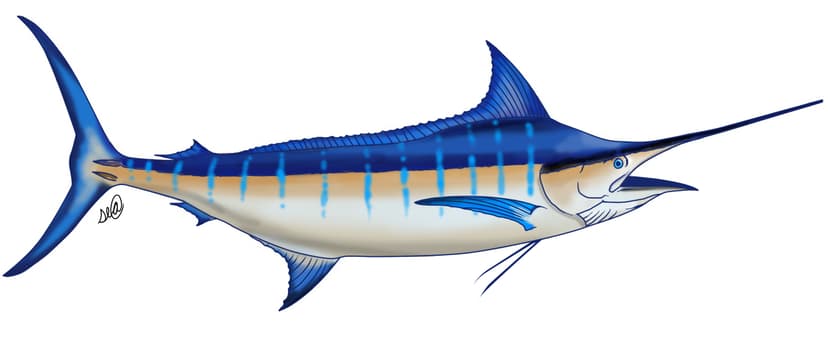
Blue Marlin Tournaments
Blue marlin are powerful, aggressive fighters that run hard, dive deep, and perform spectacular aerial displays.
Learn More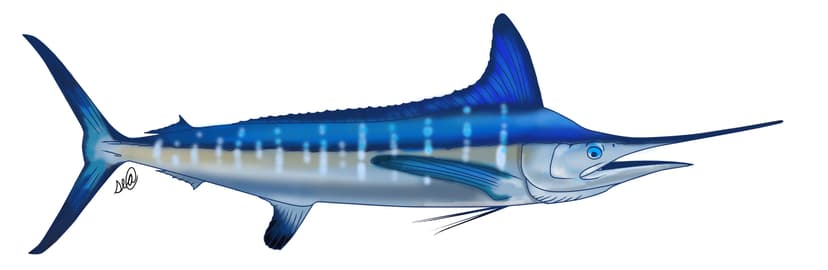
White Marlin Tournaments
A top-rated light tackle game fish, white marlin are distinguished by their rounded pectoral fins, lighter green coloring, and a first dorsal fin as high or higher than their greatest body depth.
Learn More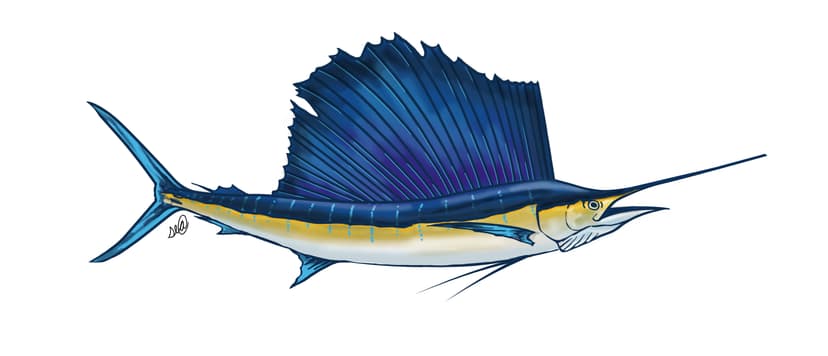
Sailfish Tournaments
Sailfish are renowned for their fighting ability and spectacular aerial acrobatics.
Learn More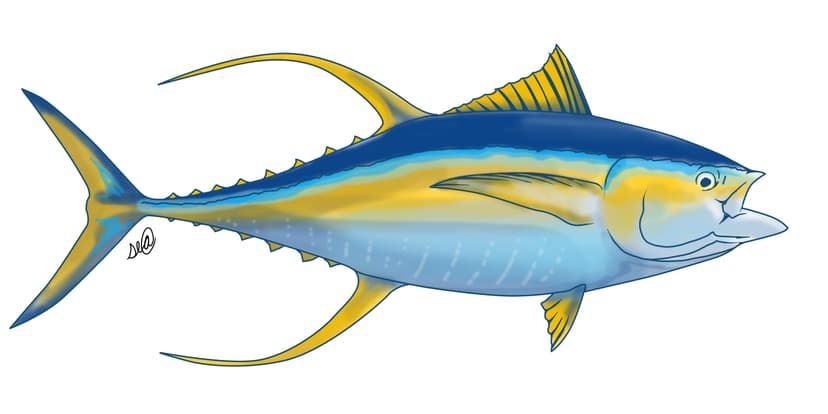
Yellowfin Tuna Tournaments
Supreme in size, strength, and speed, tuna are among the most important game and commercial fish worldwide.
Learn More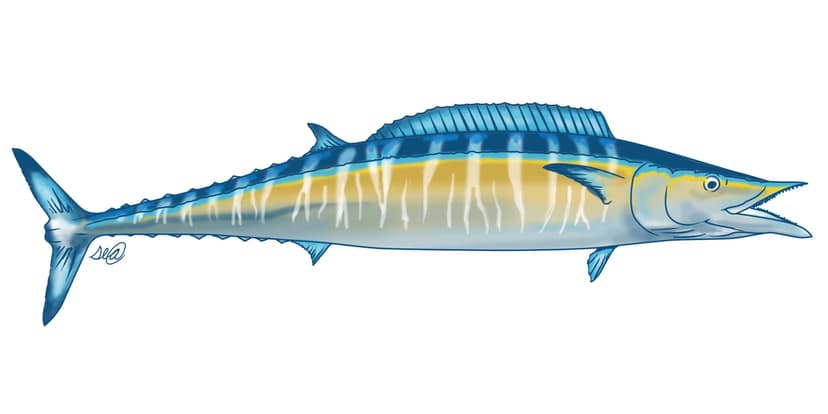
Wahoo Tournaments
One of the fastest fish in the sea, wahoo display brilliant deep blue backs with bright blue vertical "tiger stripes" flowing down silvery sides.
Learn More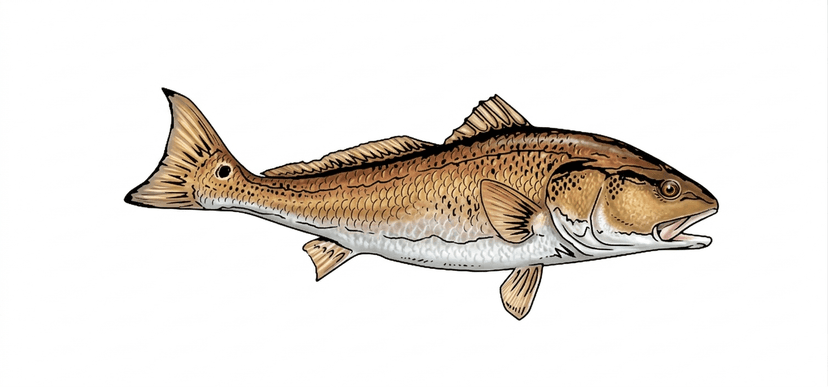
Redfish Tournaments
Also known as red drum, channel bass, or spot tail bass, redfish display coppery red overtones on a silvery gray body with a distinctive black spot near the tail.
Learn More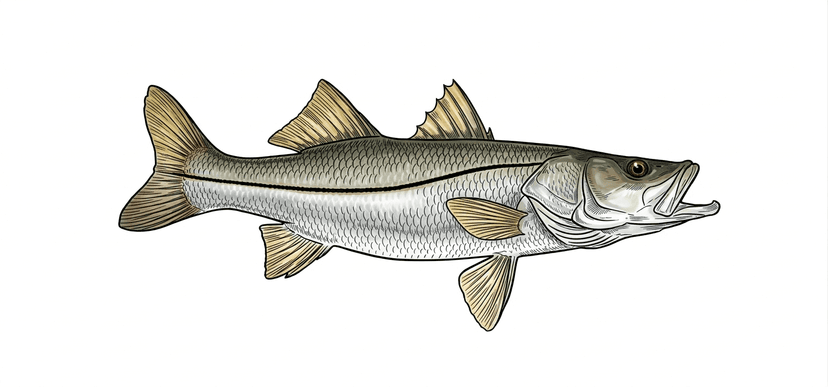
Snook Tournaments
Distinguished by a prominent black lateral line running from gill cover through the tail, snook have a protruding lower jaw and pike-like profile.
Learn More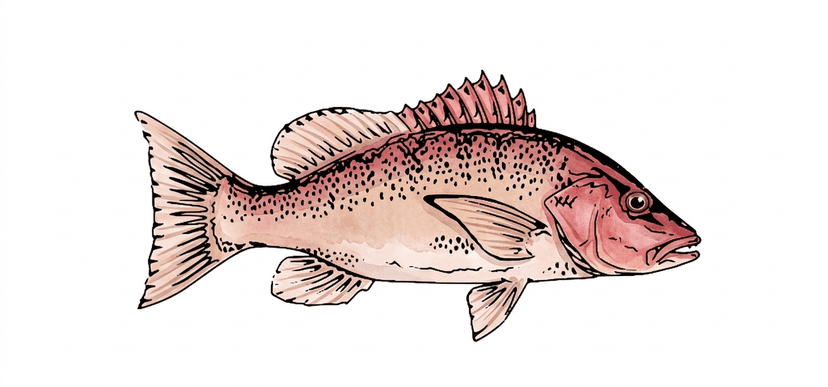
Mangrove Snapper Tournaments
Also known as gray snapper, mangrove snapper are one of the most common and widely distributed snappers in the western Atlantic.
Learn More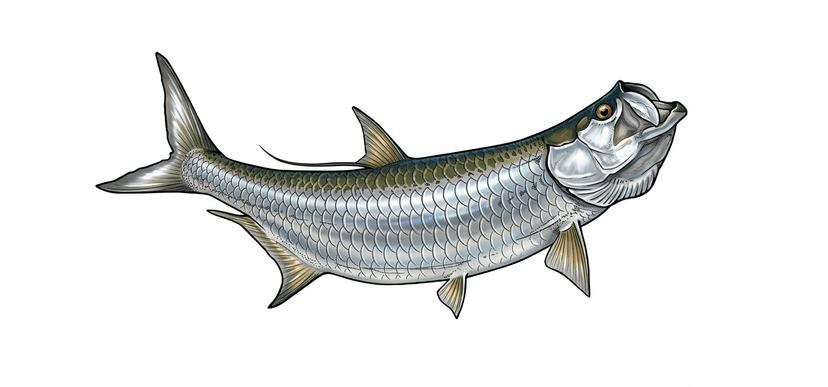
Tarpon Tournaments
Known as the Silver King, tarpon have compressed bodies with exceptionally large scales and brilliant silver sides.
Learn MoreRun Your Mahi-Mahi Tournament with Reel Time
Live leaderboards, online registration, mobile apps, and everything you need to run a professional fishing tournament.